What Is The Difference Between Financing And Buy Here, Pay Here?
Are you struggling with low credit? Or perhaps you just want an easier car shopping process. If this is you, then dealerships that provide buy here, pay here near you are one of the best solutions. At this point, however, you may be wondering what buy here, pay here means or how it differs from normal lending. Hence, to help answer your questions, we at USA-1s buy here, pay here near Warsaw, Indiana, have compiled a list below detailing the differences between buy, here pay here and normal auto financing.
Buy Here, Pay Here:
Taking advantage of dealerships offering buy here, pay here near you is an excellent decision, especially if you are struggling with low credit. Buy here, pay here is also a very streamlined financing process, allowing you to handle everything on-site with in-house dealership lending.
1. Determining Loan Eligibility
Whether you want to buy here, pay here near Warsaw, Indiana, or anywhere else, you should first understand how eligibility is determined for buy here pay here loans. Unlike typical loans on used cars near you, buy here, pay here loans utilize factors other than credit to determine eligibility, allowing them to accommodate a larger group of buyers. If you look at the list below, you can see the factors used to determine buy here, pay here loan eligibility:
- Income-to-debt ratio
- Employment status
- Living situation
2. Caters To Buyers With Low Or No Credit
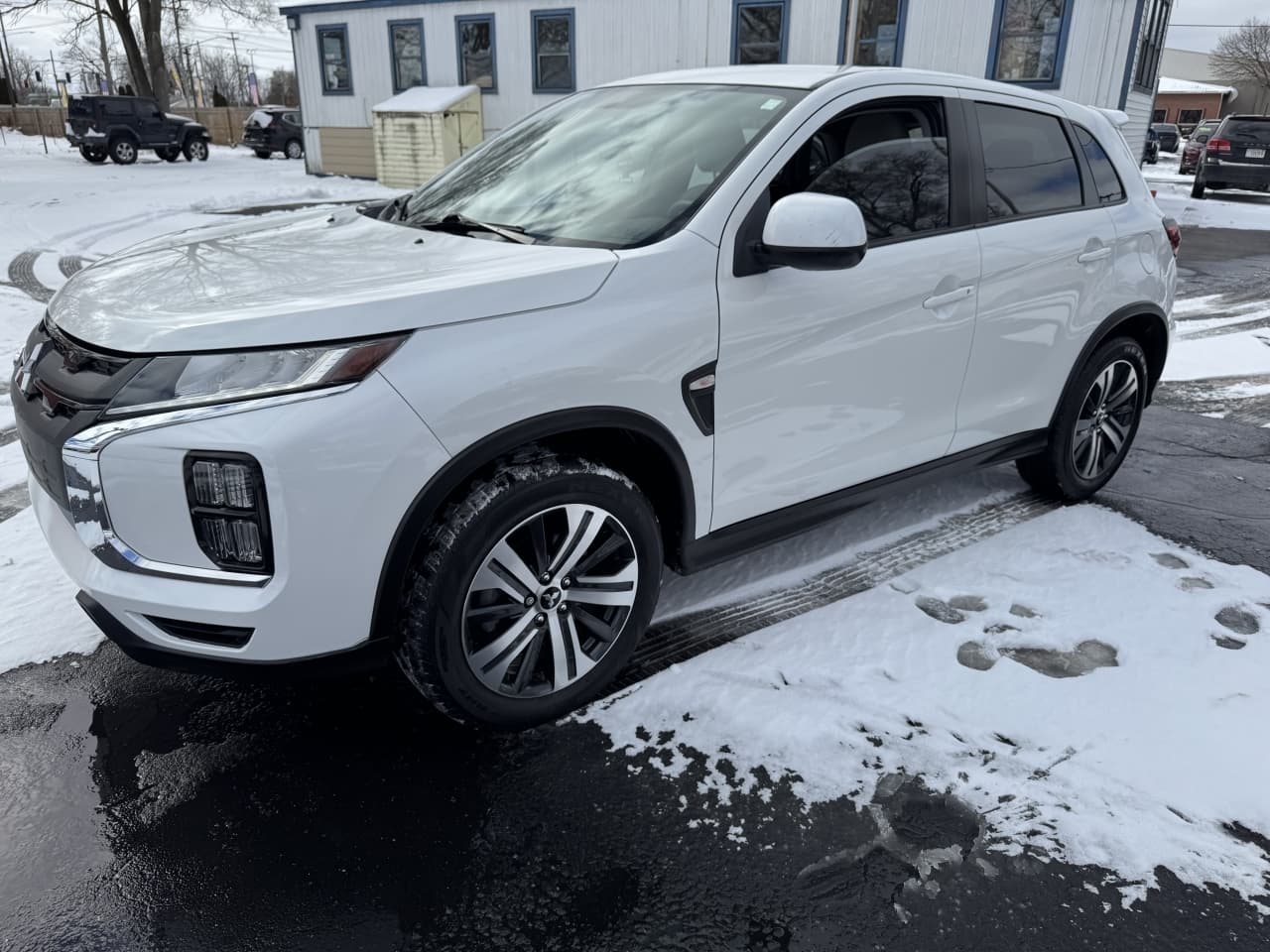
Suppose you are looking for a used SUV near you with low credit, but you havent had any luck with typical lenders since credit is the primary factor for determining loan eligibility. Fortunately, bad credit dealerships, such as USA-1s buy here, pay here near Warsaw, Indiana, provide a great solution for anyone searching for a car with low credit. As mentioned above, these dealers offering buy here, pay here near you are able to cater to buyers with bad credit because they use factors other than credit in qualifying buyers for auto loans.
3. Down Payment/Trade-In
Down payments and trade-ins are typically encouraged at buy here, pay here dealerships; however, they are never usually required. However, you should still prepare for a down payment as some buy here, pay here dealerships may still require a small down payment, which will be a percentage of the value of your desired used car for sale near you.
Normal Financing:
Unlike buy here, pay here financing, there are a lot more steps and requirements with normal financing, making it difficult for anyone struggling financially or anyone with poor credit.
1. Determining Loan Eligibility
As opposed to buy here, pay here financing, normal financing uses credit scores to determine loan eligibility. Your eligibility also decides the amount of interest you will pay for an auto loan. Thus, the higher the credit score, the less you will pay in interest on a car loan. To browse the qualifying credit tiers and scores that are utilized in normal financing, see the following list:
- Superprime: 781-850
- Prime: 661-780
- Nonprime: 601-660
- Subprime: 501-600
- Deeper Subprime: 300-500
2. Variety Of Lending Options
Compared to buy here, pay here lending, there is a lot more variety with normal lending, with several different types of lenders from which you can choose. Because of this variety, you may still be able to find lending for low credit; however, buy here, pay here lending is much more straightforward and reliable. If you look at the list below, you can see the most common auto lending options:
- Captive Financing: Manufacturer-sponsored lending
- Online Lending: Wide range of lenders
- Bank financing: Financial institution lending
- Credit Union financing: Lending with lower interest and savings provided by credit unions
3. Down Payment/Trade-In
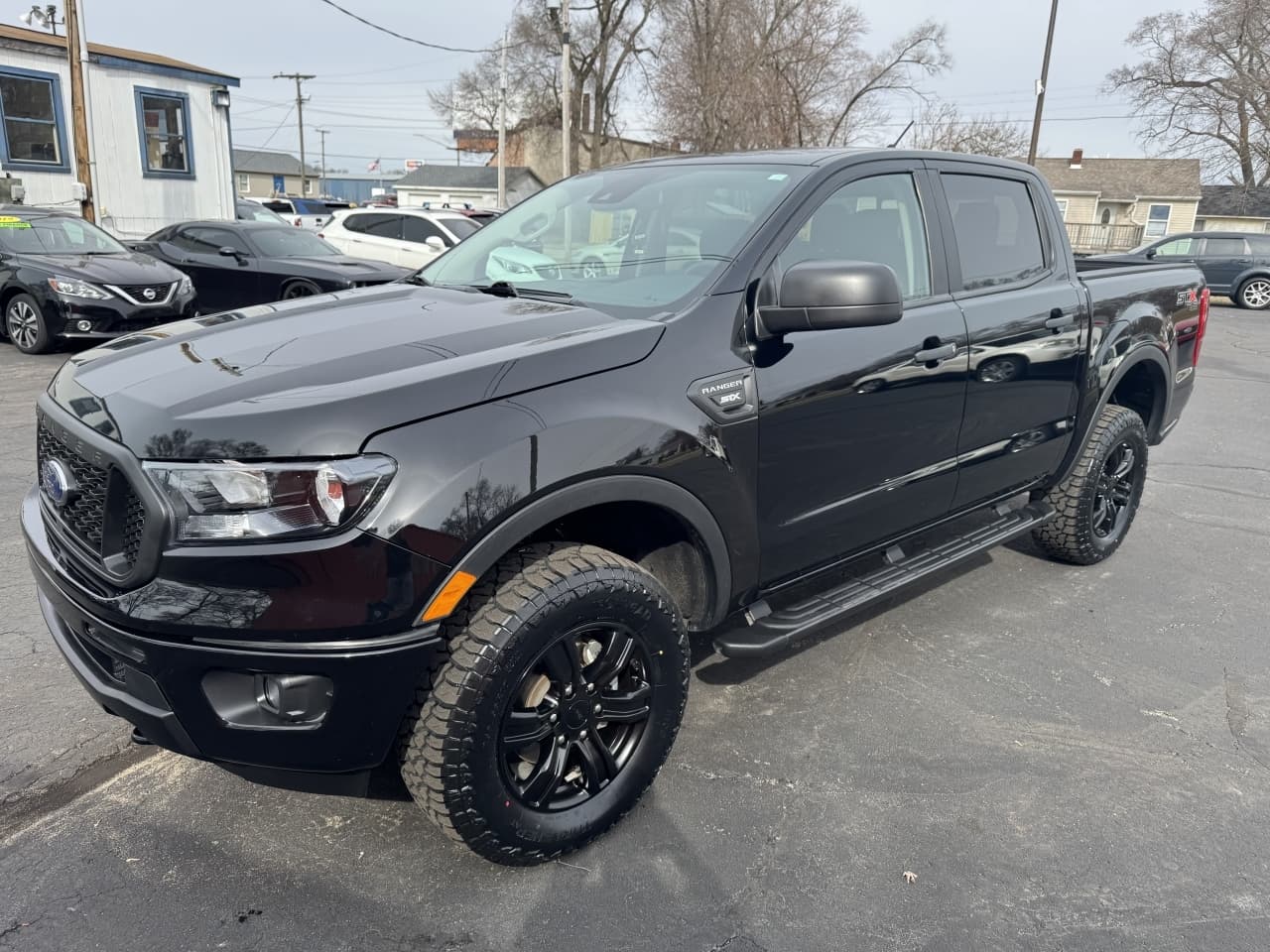
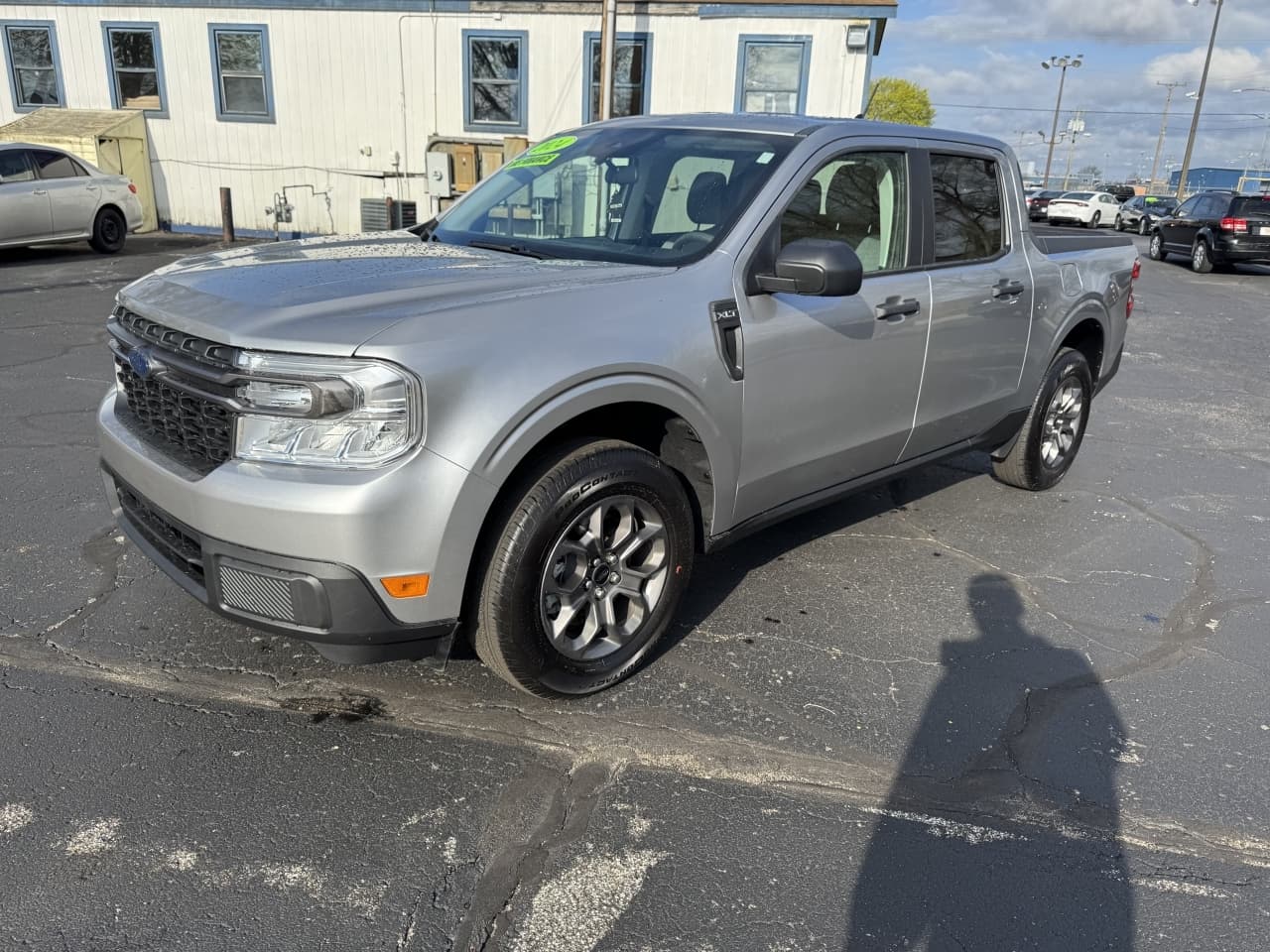
Perhaps youve found your dream used truck for sale, but it is just over budget. Luckily, a down payment or trade-in can help to reduce the cost of the truck and bring it within your budget. In fact, in contrast to buy here, pay here, most normal financing companies require a down payment, which is usually a minimum of twenty percent of the vehicles value. Along with this, you should also watch out for trade-in incentives that can help you to get more money for a trade-in.



 88,654 Mi
 Transmission, 9-speed Automatic